No products in the cart.
BLOG POSTS
How to Manage Depression and Treat PTSD, ADHD, and Chronic Pain
27
Dec
Dec
How to Manage Depression and Treat PTSD, ADHD, and Chronic Pain
Managing depression, post-traumatic stress disorder (PTSD), ADHD, and chronic pain requires a holistic plan that combines professional treatment, self‑care, and, where appropriate, carefully chosen wellness products such as legal CBD e‑liquid and vape devices.
Understanding These Conditions
What Are Depression, PTSD, ADHD, and Chronic Pain?
Depression is a mood disorder marked by persistent sadness, low energy, sleep changes, and loss of interest, often requiring therapy and/or antidepressant medication.
PTSD develops after trauma and can cause flashbacks, nightmares, avoidance, and hyper‑arousal but responds well to structured therapies like CBT, EMDR, and exposure‑based treatments.
ADHD affects focus, impulse control, and activity level and is increasingly recognised as closely linked with chronic pain through shared brain and nervous‑system mechanisms.
Chronic pain lasts longer than three months and is now understood as a complex condition shaped by the brain, emotions, and behaviour, not just a local injury.
How These Conditions Overlap
A large proportion of people with chronic pain also meet criteria for ADHD, and ADHD symptoms can intensify pain by increasing impulsive treatment‑seeking and poor adherence to care.
Neuroinflammation and altered pain signalling in ADHD can drive “central sensitisation”, making the nervous system more sensitive and promoting long‑lasting pain.
Depression and PTSD frequently co‑occur with both ADHD and chronic pain, so treating only one problem often leaves others unmanaged and slows recovery.
Evidence‑Based Medical Treatments
Therapies for Depression and PTSD
Cognitive behavioural therapy (CBT) helps people with depression and PTSD identify negative thought patterns, change unhelpful behaviours, and regain a sense of control.
For PTSD, focused approaches like EMDR and prolonged exposure gradually process traumatic memories in a safe, structured way and are among the most effective treatments in 2025.
Antidepressant medications such as SSRIs and SNRIs are widely used to stabilise mood, reduce anxiety, and improve sleep when symptoms are moderate to severe.
Treating ADHD and Chronic Pain Together
Recent research highlights that up to around three‑quarters of chronic pain patients may have comorbid ADHD, making screening and tailored treatment essential.
ADHD medications can reduce pain severity by improving attention, emotional control, and motor tension, as well as by targeting central sensitisation in the nervous system.
By stabilising ADHD‑related impulsivity and overactivity, these medicines can reduce risky treatment choices and improve long‑term engagement with pain management plans.
Lifestyle, Self‑Care, and Mind–Body Strategies
Daily Habits That Support Recovery
Regular physical activity, structured routines, and consistent sleep times support mood regulation, reduce anxiety, and help the nervous system settle.
Mind–body tools such as yoga, meditation, breathing exercises, and gentle stretching can lower stress, ease muscle tension, and complement medical treatment for PTSD and depression.
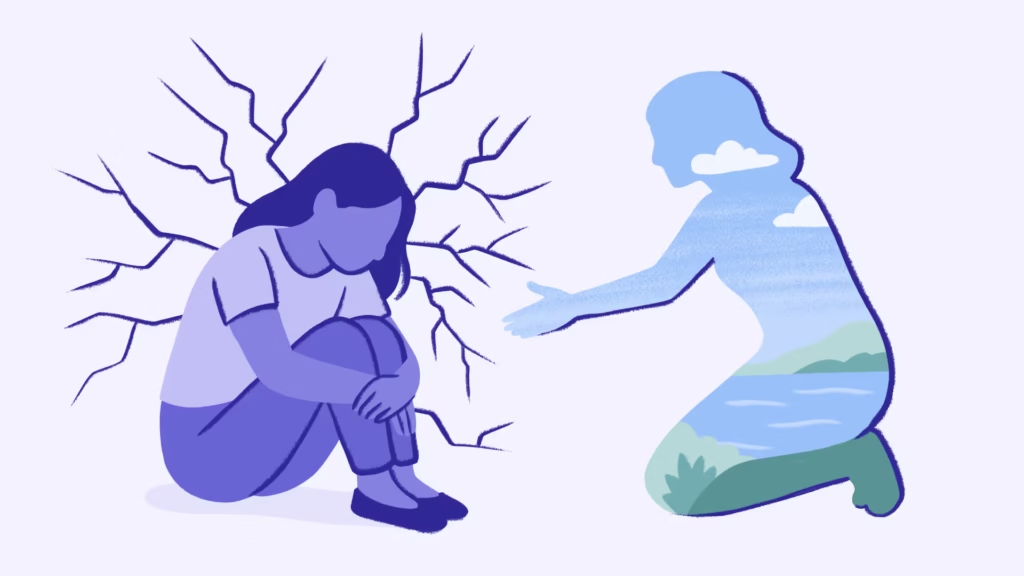
Social support—whether friends, family, peer groups, or online communities—protects against isolation and is a key factor in long‑term recovery.
Holistic Approaches for Chronic Pain
Combining physiotherapy, graded exercise, pacing, and psychological pain‑management techniques works better than relying on passive treatments alone.
Addressing anxiety and anger and managing depression linked with ADHD and chronic pain can directly lower pain intensity by calming over‑activated pain pathways in the brain.
Nutrition, relaxation training, and gentle movement practices can be layered onto medical care to create a personalised, sustainable pain‑relief plan.
Role of CBD, Vaping
CBD for Anxiety, PTSD, and Pain
Early evidence suggests cannabidiol (CBD) has anxiolytic‑like effects and may reduce anxiety symptoms across several disorders, including PTSD, with relatively favourable side‑effect profiles in controlled settings. Managing depression
Case reports link CBD with improved PTSD symptoms, but guidance from UK bodies such as NICE advises against prescribing THC or CBD specifically for chronic pain due to limited evidence, so medical oversight is essential.
Many patients still use prescribed or over‑the‑counter cannabinoid products for issues like pain, anxiety, depression, ADHD, and PTSD, making harm‑reduction education crucial for any vape‑related blog.
Vaping CBD E‑Liquid and Mental Health
Inhaled CBD via vaping can act relatively quickly compared with some oral forms, which some users find useful during acute spikes in anxiety; however, quality and dose vary widely.
Legal CBD e‑liquids in the UK are typically derived from certified industrial hemp and contain negligible THC, reducing the risk of intoxication and THC‑related anxiety, provided reputable products are used. managing depression
THC can activate “fight or flight” responses and, in some people, trigger or worsen anxiety, so educating readers about CBD‑only vs THC‑containing products supports safer choices. Managing depression
FAQ: Managing Depression, PTSD, ADHD, and Chronic Pain
Can CBD or vaping replace antidepressants or ADHD medication?
No. Current guidance in the UK does not recommend THC or CBD as primary treatments for chronic pain or mental‑health disorders, and they should not replace prescribed medications.
Any decision to use CBD, vape products, or other supplements should be discussed with a qualified clinician familiar with your diagnosis and current medicines.
Is vaping CBD safe for anxiety or PTSD?
Some people report anxiety relief when vaping CBD, and early research suggests potential benefits, but evidence is still developing, and product quality control is variable.
Safety depends on dose, ingredients, device quality, and your own health profile; individuals with heart or lung disease, pregnancy, or complex psychiatric conditions need specialist advice.
How can ADHD treatment help my chronic pain?
By improving focus, emotional regulation, and motor control, ADHD medication can reduce behaviours that worsen pain, such as overactivity, treatment‑hopping, and muscle tension.
Studies indicate that treating ADHD in chronic pain patients can deliver notable reductions in pain scores and better engagement in rehabilitation.
What is the best therapy for PTSD? Managing depression
CBT, EMDR, and prolonged exposure remain the leading evidence‑based psychotherapies for PTSD, often used alongside lifestyle changes and, when needed, medication.
Digital and virtual‑reality‑based exposure tools are emerging in 2025 to increase accessibility but should still be delivered within professional care.
How can I support someone living with depression and chronic pain?
Encourage them to seek professional assessment, attend appointments, and follow treatment plans while avoiding pressure or judgement.
Offer practical help with daily tasks, listen without minimising their experience, and share trusted resources rather than pushing unproven “quick fixes”.
Brief Conclusion
Managing depression, PTSD, ADHD, and chronic pain works best when evidence‑based therapies, appropriate medication, and lifestyle changes are combined with clear education about tools like CBD and vaping. For a vape‑focused blog, framing CBD e‑liquids and vape devices as optional, legally compliant wellness supports—never as stand‑alone cures—helps readers make safer, better‑informed choices while they work with their healthcare professionals.
